Photo
CDG (2025)
Iconic Parisian Experiences.
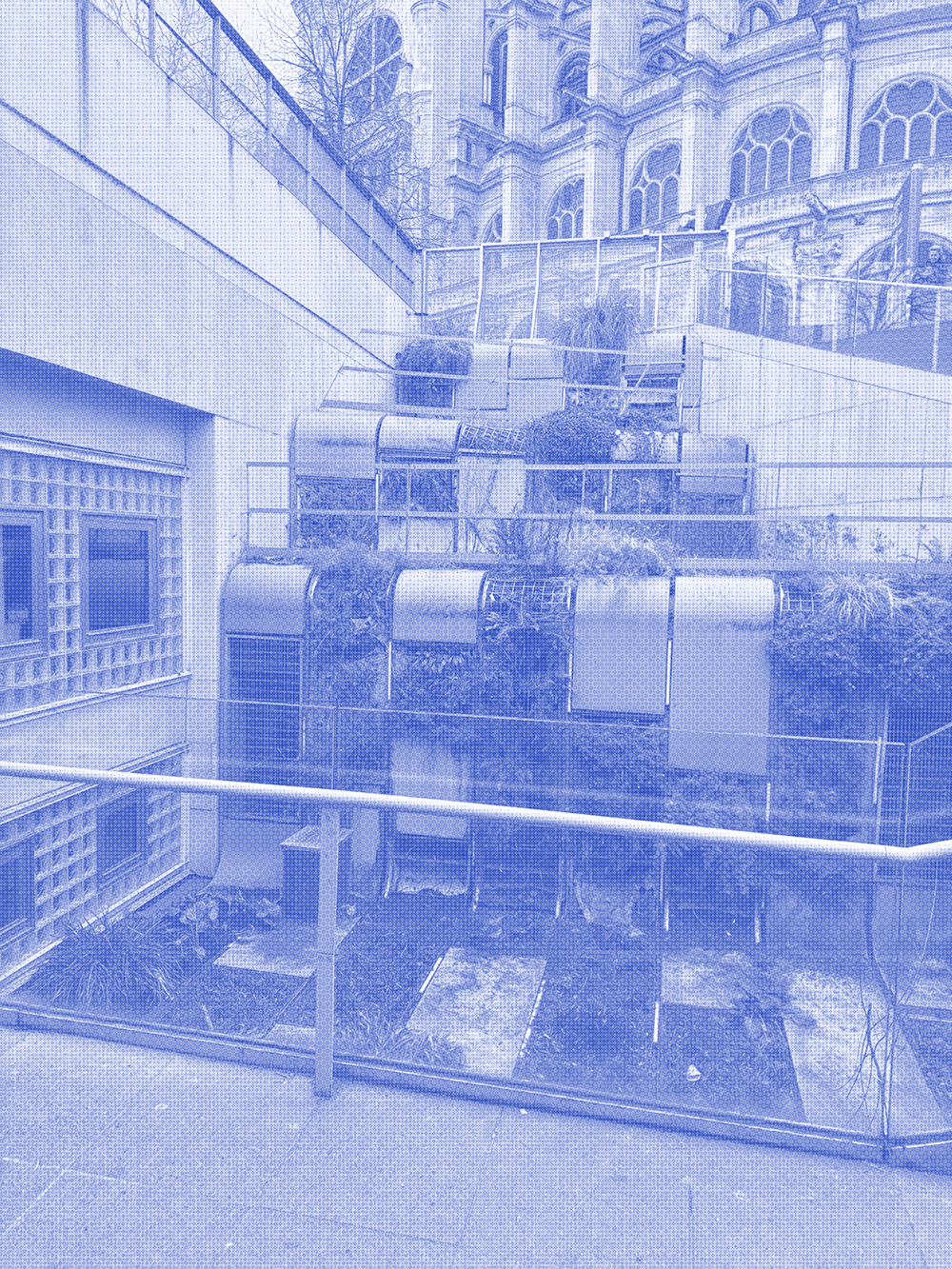
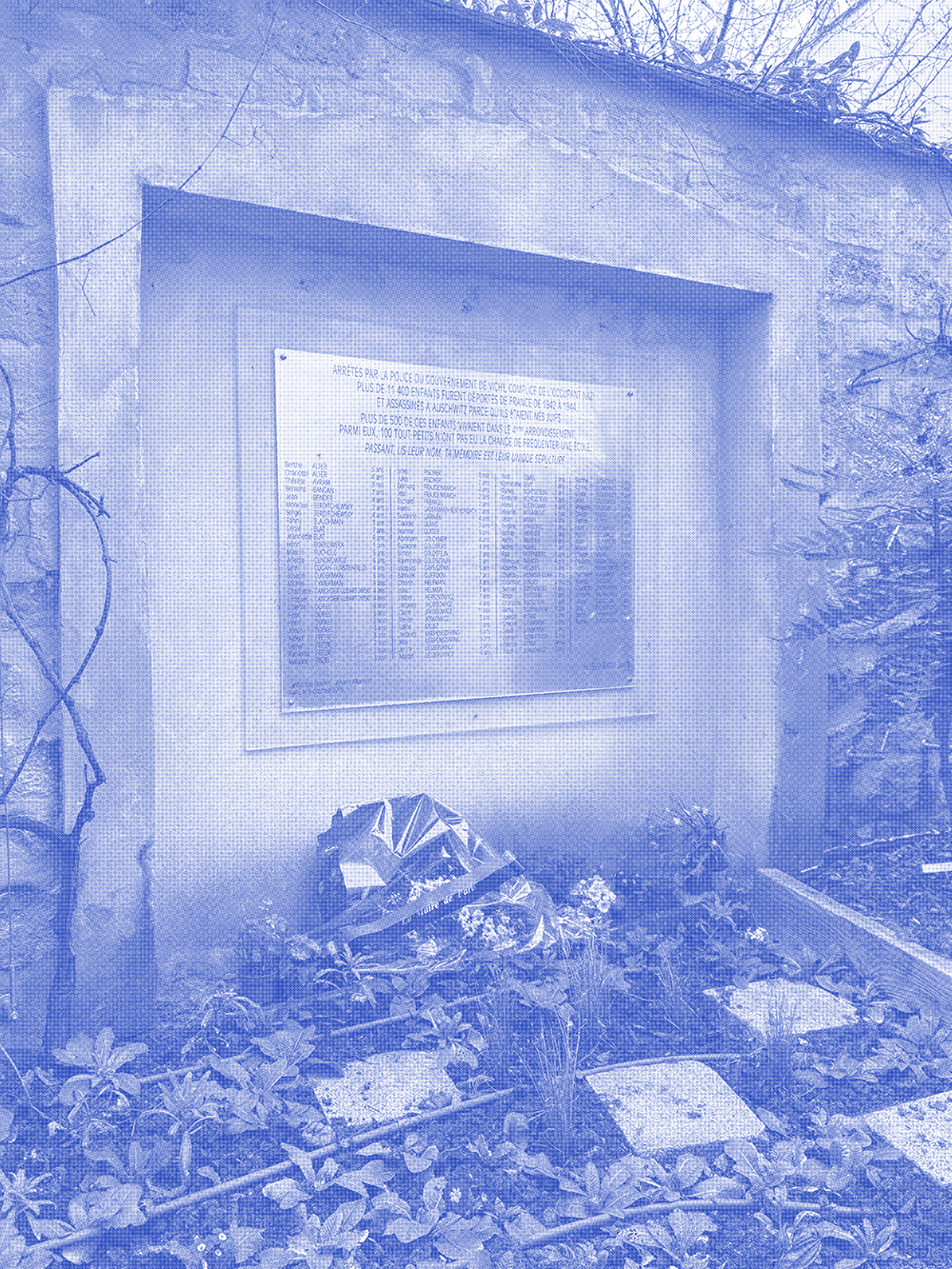
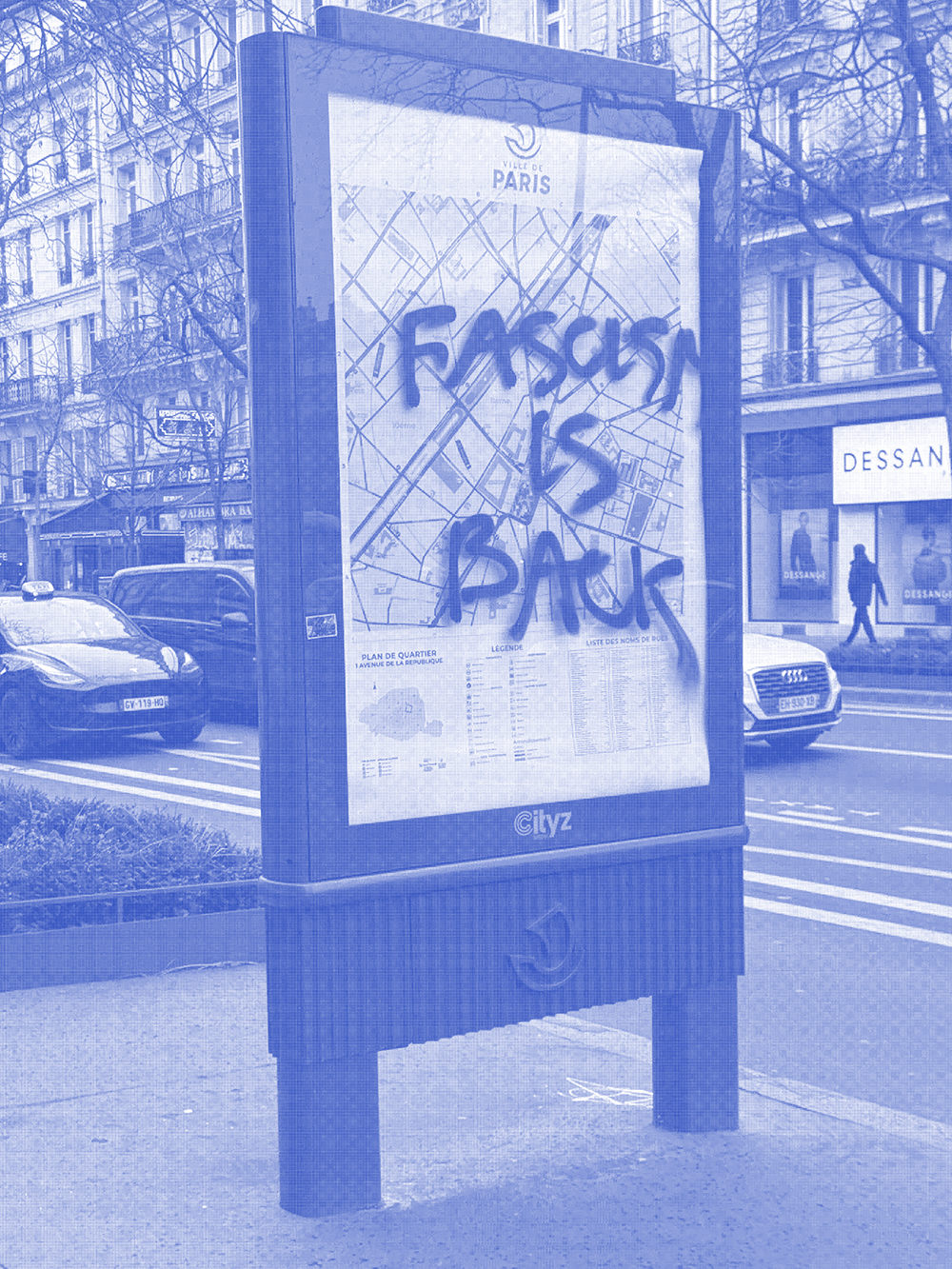
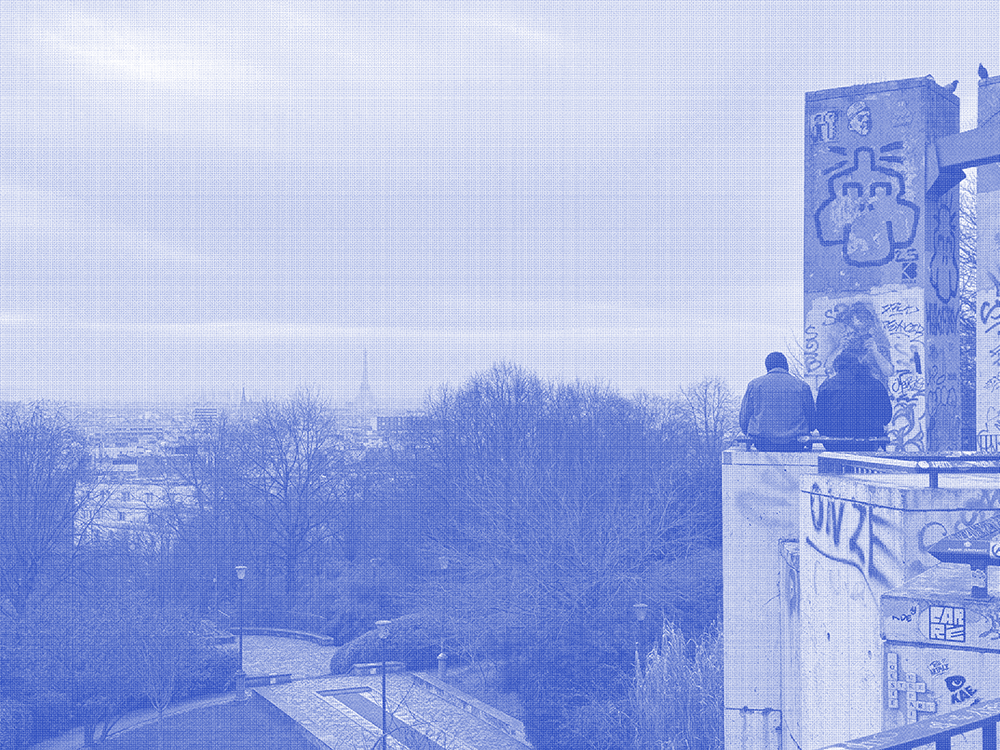
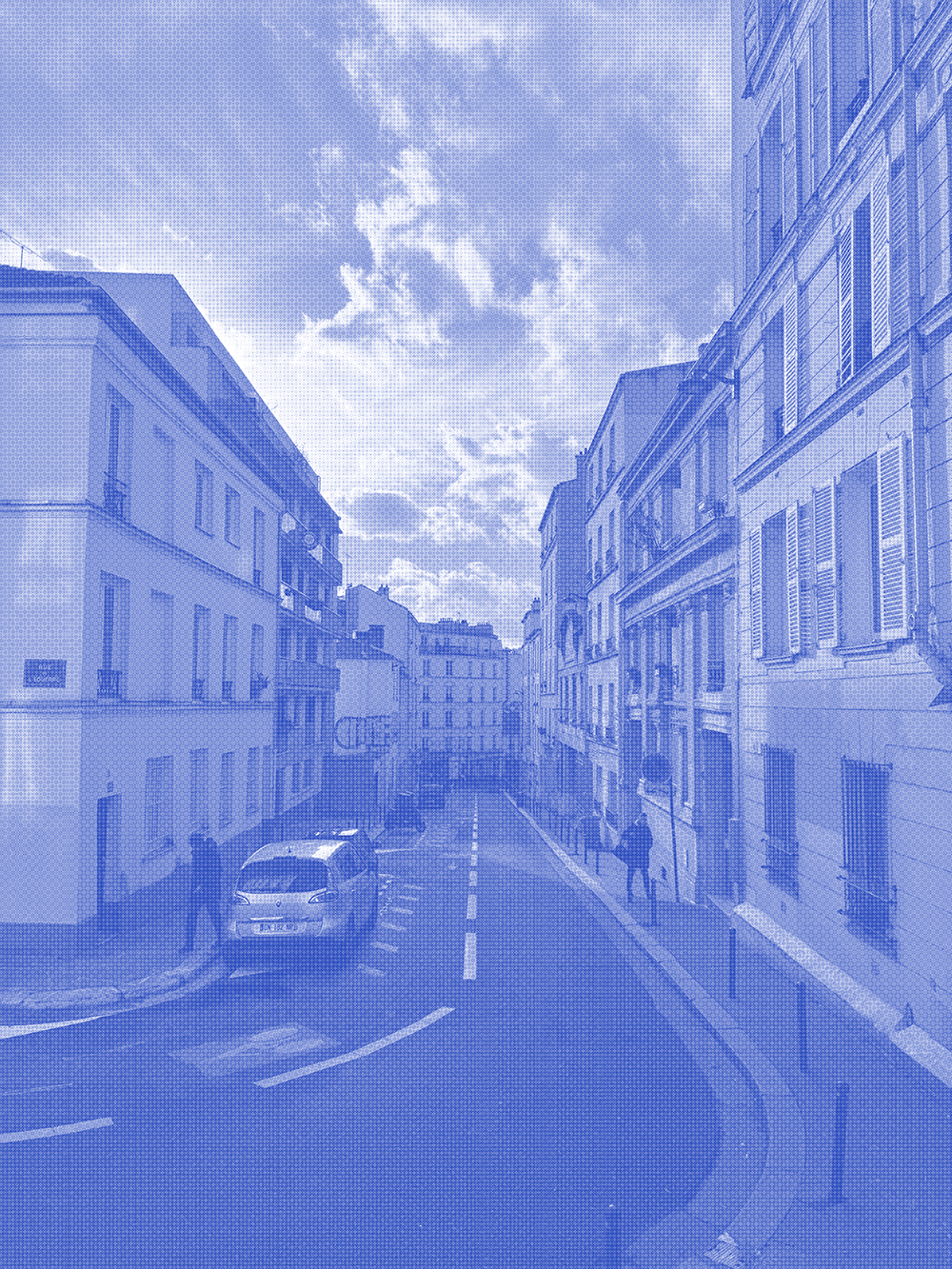
A little old lady wearing a beret toting a baguette under one arm. Copious pastry and wine. Consecutive days slurping pho to cope with the cold and wet February weather. Gigantic falafel in the Marais, consumed on a bench in a garden dedicated to deported children. A man furrowing his brow reading Robespierre on the metro while a handsome middle aged couple neck nearby. Abrasive treatment from smoking locals outside of a packed bar where we commit some faux pas without realizing. A big demonstration at République where masked anarchists paint graffiti on the lion’s ass and gendarmes muster around the corner with shields, helmets, and clubs.
The maze beneath the mall at Les Halles.
I visit a friend who moved abroad a decade ago who tells me everyone knows the French are a problem. No red-blooded American by any means but something about an overbearing bureaucracy stirs latent libertarian leanings.
He says that third wave coffee just arrived last year and I envy a life where groceries come from separate specialty shops along Rue de Belleville.
Other countries are full of nagging reminders that back home lacks charm. Unless you can take on the tourist attitude that treats any other place like Disneyland. Less real locales made for visiting on vacation. A break from driving to big box stores where the value is and working the rest of the time. It is impractical to care more about culture than commerce.
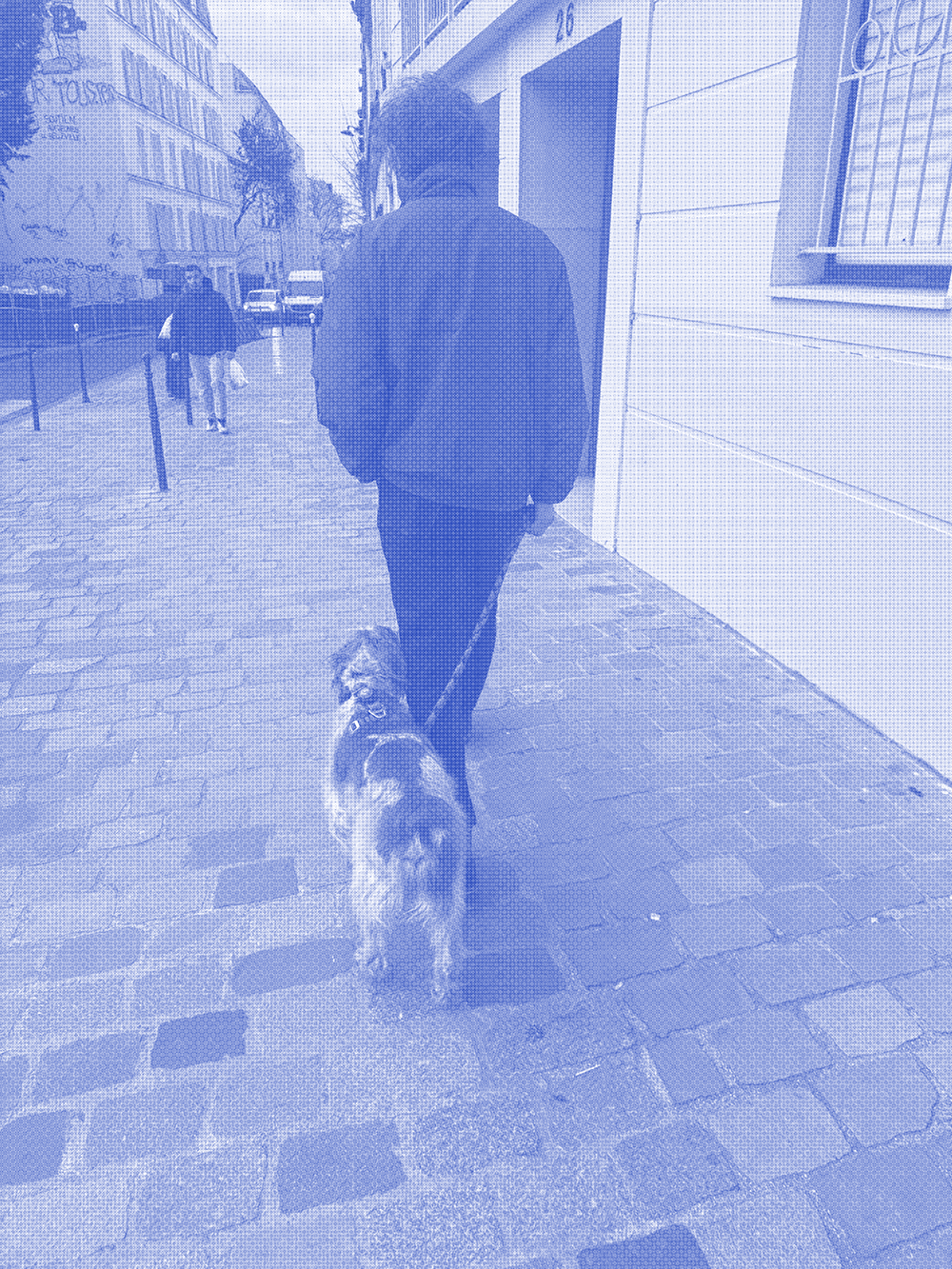
At the park my friend complains about people who snitch to otherwise indifferent officers about dogs being let off-leash.
Their grandparents were collaborators, he says. No one wants to talk about how their family came into a great apartment during the forties.
My friend has been working at the Palais du Tokyo and explains to me that it was used as a warehouse to store, exclusively, pianos that were confiscated from Jewish families. But the story did not end with the liberation of the camps. My mind melts over the fact that descendants of expropriated survivors became tormentors themselves.
How many Republics have there been? Would I survive a revolutionary situation? Hard to imagine a total overhaul would not make the USA even more callous and violent.
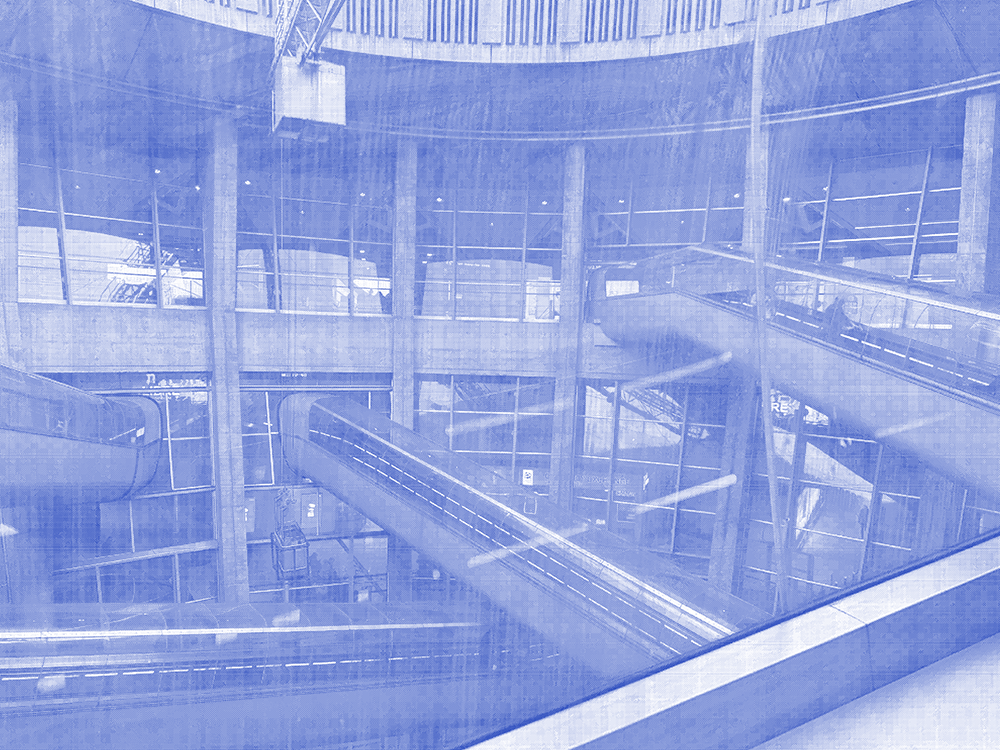
When it is time to depart we get to CDG before it is light out. A retro rendering of the future in concrete. Tubes, escalators. It reminds me of the Bonaventura Hotel in Los Angeles. The platonic example of postmodern architecture that I adore because it makes no sense.
I am carrying a tote bag full of books that I purchased in Paris in addition to my personal backpack so I go to the counter to check my suitcase. The woman looks at my passport then back at my face and says: Quickly, There is an unattended bag over there! They are coming.
I look where she is pointing and, sure enough, there stands a large hard-sided suitcase on four wheels with no one around.
I hoist my luggage onto the conveyor belt, watch her attach the tag, and hastily head back to rejoin my companions who did not have to check bags. Between eight and twelve indistinguishable rifle-toting soldiers pass, moving purposefully in the direction we just came from.
We go up an escalator and scan our passports at the automatic gate. Look at the camera. One of my companions says it is jarring to be treated like cattle for once and it will take several hours (after we are on separate flights back to North America) for me to realize what he is referring to.
There is no way to opt out of having your picture taken.
One companion is pulled aside at security. We wait.
We go up another escalator and emerge into a luxury mall. Dior, Chanel, Armani. Shiny shelves full of duty free chocolate and alcohol. On the other side, at the first gate, a line of men in white terrycloth robes wait to board a flight to Riyadh. A lone child plays FIFA at a PlayStation kiosk.
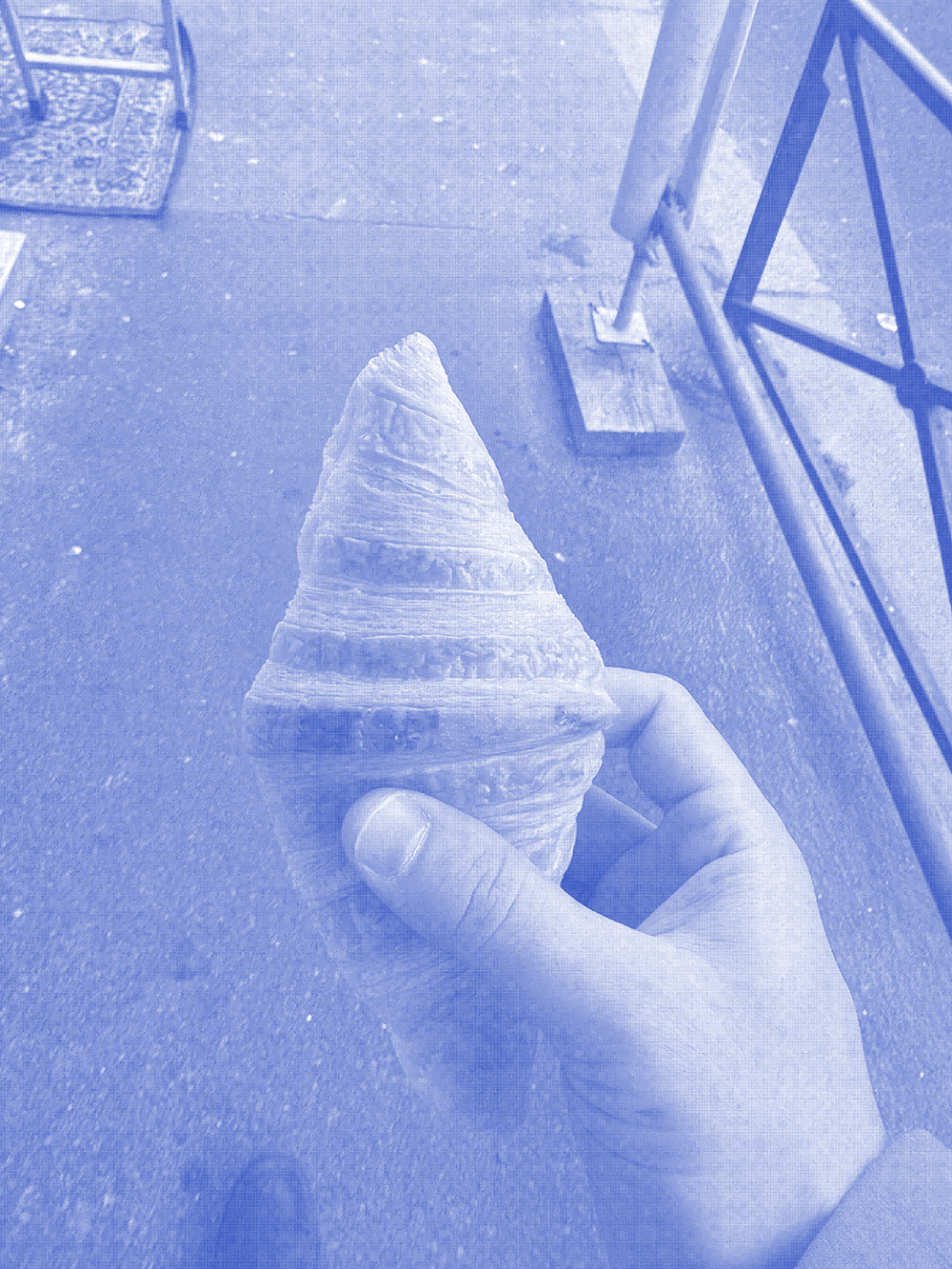
Our gates are next to each other, all the way at the end of the terminal. We buy croissants and paper cup espresso and commiserate about how it will be nice to drink real coffee again, soon. We discuss pariah states. No one asks to be born or chooses where but that is no excuse for ignorance and aggression. Between the flimsy justifications I was raised on and the fact that my country of citizenship has been supplying arms to carry out another genocide, I know I will always be ashamed.
I board. A flight attendant comes by and asks the person next to me if they want to move to their own row since the plane is nearly empty. I worry about whether I left something at the gate, but I cannot identify what I would be missing. I have my books. I spread out my belongings across my three seats. There is plenty of legroom.
We take off.
My window faces the sun and that seat becomes very hot and I am grateful to be able to hang out in the middle instead. I read, play a video game, listen to podcasts and music, lie down across my personal row.
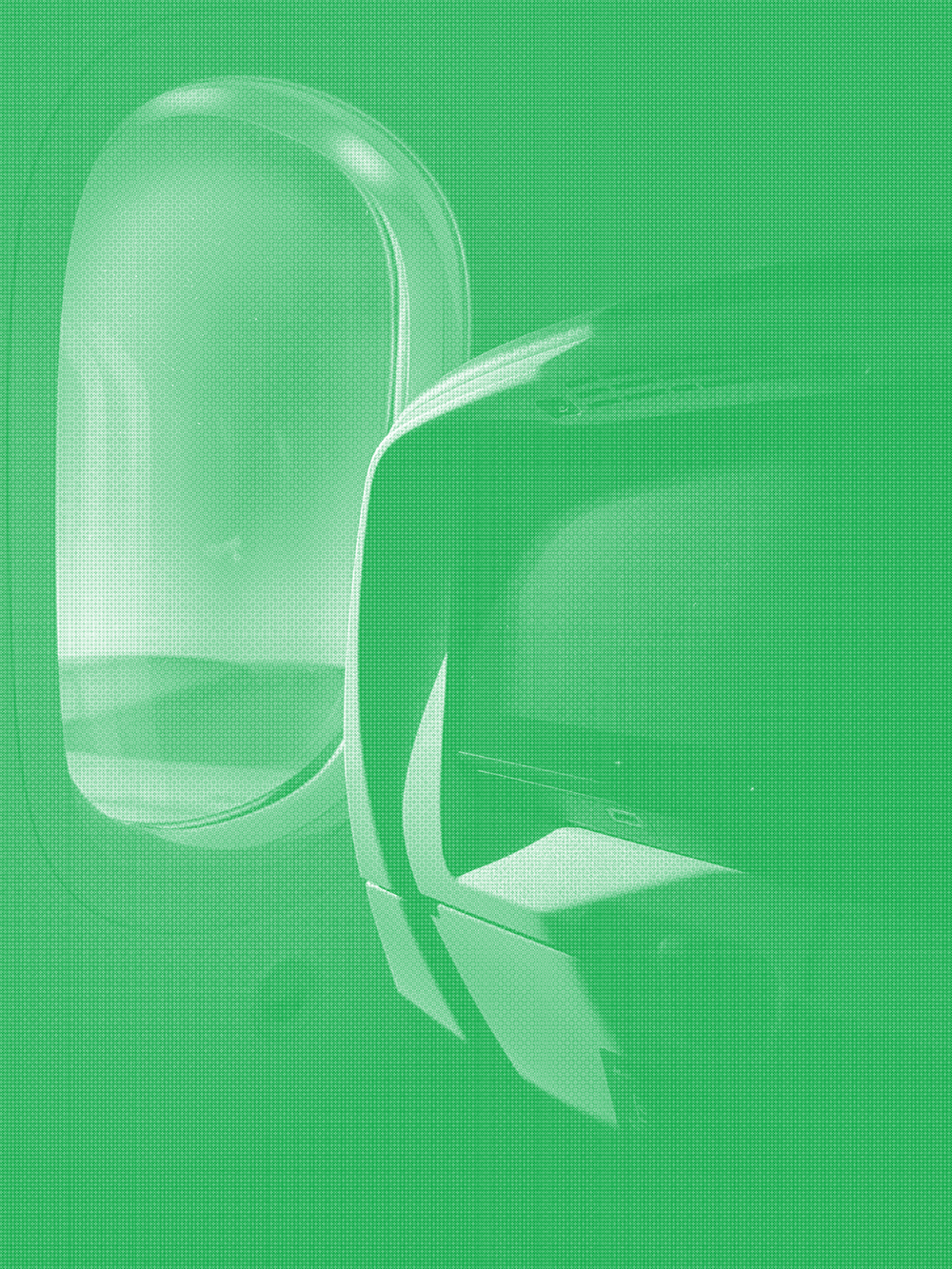
The light through the window has an unnatural green tint. I feel like we are traveling between distant planets. No one speaks. I stand and stretch in the aisle, use the restroom several times without having to wait for anyone, think about how flying on a mostly empty plane is very civilized, albeit unsettling. An unexpected new experience that will not happen again.
Transatlantic travel seems impossible.
The flight path goes up and over, a north-then-south parabola. The airplane thrums. A marvel of modern technology. Convenience and safety taken for granted. This return really feels different. Changes are afoot back home. No one knows what will happen. Floating thousands of miles above the ground, looking out at the landscape formed by the tops of the clouds, I accept that I am not in control.
The situation is out of my hands.
I wait.
Eleven hours pass in the hypnagogic state between sleeping and waking.
We land. I deplane, navigate the corridor to customs, find the line for citizens, fidget with my passport.
The gauzy stillness that enveloped me during the flight falls away. The sound of the engine is replaced by families and friends talking amongst themselves as we shuffle toward the booths. Security personnel rearrange cordons to even us out.
I consider whether I will ask to opt out of having my picture taken. I know that they are counting on compliance, that we will all be too tired and indifferent to object to invasions of privacy. That we do not really have rights when reentering the country. But if everyone made a fuss maybe it would make a difference. No one does. Will they put me on a list if I say something? Do I even want to associate with anyone who is not going to be put on a list?
I reach the counter and the agent instructs me to look in the camera. I stand slightly to one side and ask if it is possible to opt out of having my picture taken. She says the pictures are only stored temporarily. She does not say yes or no. My resolve turns out to be pretty thin. I look at the camera.
I already took it, she says. Do you have anything to declare?
I don’t think so, I mumble.
Welcome home, she says, returning my passport.
Published as a zine in 2025. 22 risograph pages, 6”x4.5”. Numbered edition of 35(+1 AP).